


The Box Score — Key Takeaways
- A useful lesson leaves the hitter with a task she understands and can repeat.
- Ask how practice addresses timing and decisions as well as the swing.
- Use the instructor’s cue and home setup instead of adding competing advice.
- Review progress under a similar task and share what happens in games.
- Confirm the session format, current price, and booking terms before paying.
Your athlete finishes a cage session with a few loud hits, and you drive home pleased. At the next game, the timing looks different and she starts asking what happened to her swing. Now you’re wondering what a lesson should give her that she can carry into an at-bat.
Useful softball hitting lessons leave the athlete with a clearer understanding of a problem, a practice task she can repeat, and a way to check progress. The lesson should account for the ball she faces, the decisions she makes, and how she responds when a swing misses.
We want you to understand the work your athlete is doing with our academy, Elevated Performance Academy (EPA). Ask the instructor to connect what happens in the training space with the player’s next opportunity to hit. That connection helps you decide whether the instruction is worth continuing.
Four things a family should be able to take home
You don’t need a page of swing terminology after every lesson. You do need enough information to help your athlete practice the right task and bring useful questions back.
| Takeaway | What it can sound like | How a parent can help |
|---|---|---|
| A working observation | “We’re looking at when you start getting ready for the pitch.” | Ask what the coach saw and what will be reviewed. |
| A manageable cue | “Use the reminder we practiced before the next toss.” | Keep reminders consistent with the instructor’s words. |
| A practice task | “Repeat this setup with the equipment we discussed.” | Confirm the space, equipment, and amount of work. |
| A review plan | “We’ll compare the same task when you return.” | Bring questions or agreed notes from practice. |
These are examples of what to ask for, not a promised lesson script. The right task depends on the athlete. A beginner learning to make contact and an experienced hitter working through game timing may leave with very different plans.
The athlete should understand the task
Before you leave, ask your child to explain what she is practicing in her own words. If the explanation is unclear, invite the instructor to show it again. A drill can look organized while its purpose remains confusing to the player.
We want the athlete involved in noticing what happens. “That one felt rushed” gives the instructor information. Repeating an adult’s instruction without understanding it gives the family less to work with at home.
Observation should come before a pile of changes
Tell the instructor what brought you in. Describe the situation: contact on the tee, misses against live pitching, trouble deciding which pitches to swing at, or nervousness after a strikeout. Include prior instruction and any current team cues.
Then ask what the coach wants to observe. One swing rarely answers every question. The instructor may use different tasks to separate the movement of the swing from the athlete’s timing and decisions.
A tee answers some questions
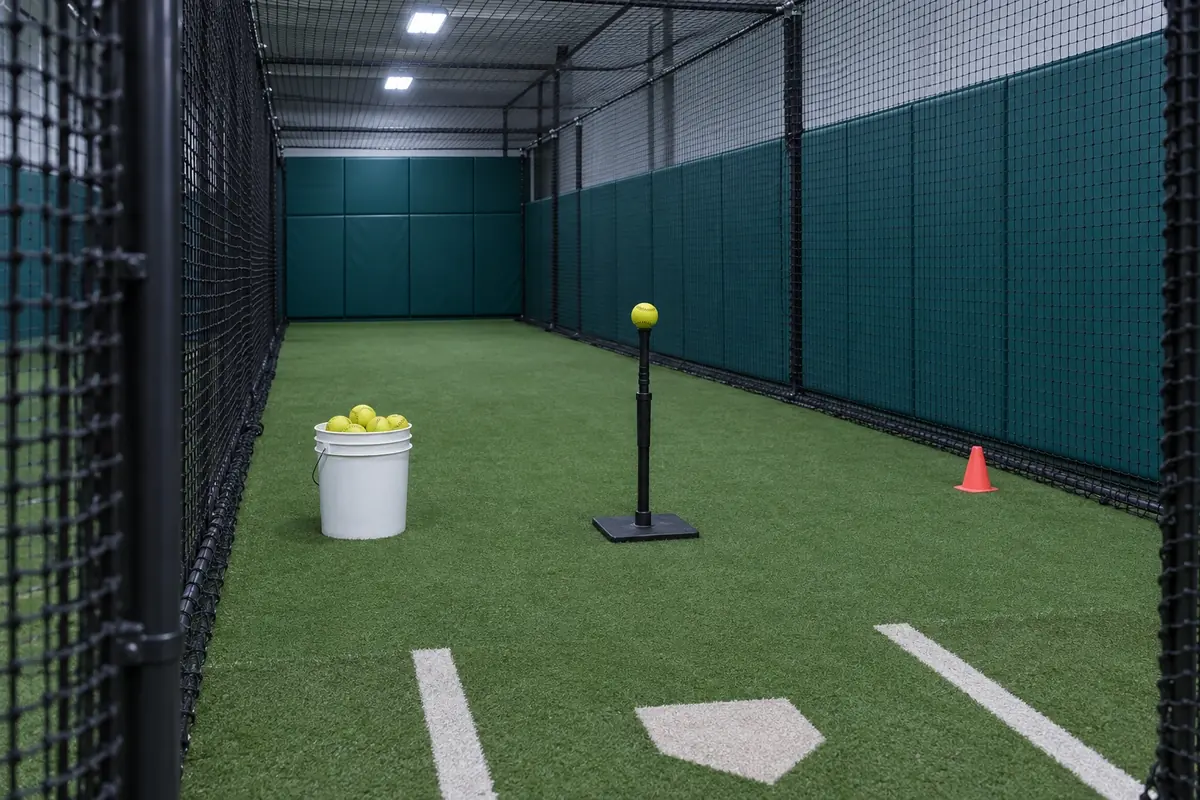
A tee gives the hitter a stationary ball and a consistent place to begin. It can help a coach observe a movement or let an athlete repeat a task without waiting for a pitch.
Ask what the instructor is using the tee to assess. Good contact in that setup doesn’t tell you everything about reading a moving ball. A practice plan should make clear when and how the athlete will work on that next demand.
Moving pitches add timing and choices
With a moving ball, the hitter must get ready, track the pitch, and decide whether to swing. Ask how the lesson will include those demands at a level that suits the player. A coach can adjust the speed or task as the athlete learns.
If your child performs a drill well but struggles in games, bring that information back. It may help the instructor choose a different practice challenge. The answer won’t always be another mechanical cue.
Softball context belongs in the conversation
Tell the coach what your athlete currently faces in games and where she wants help. Ask how the instruction accounts for her playing level, the pitch delivery, and the skills she is learning. Avoid assuming that a drill suits her simply because another player uses it.
Our instructor directory lists hitting instructors, including Director of Hitting Curt Nelson. Use the profiles to begin the conversation, then confirm who fits the athlete’s goal and has suitable availability. We don’t want families to infer a booking from a name on a page.
Discuss specialized hitting goals separately
If your athlete is learning bunting or slapping, say so when you inquire. Ask which instructor can address that skill and how it fits her team’s expectations. Different goals can require different observation and practice.
Bring any advice she is already receiving. When a team coach and lesson instructor use different words, ask them to clarify the intended action. That helps the athlete work from a consistent explanation instead of guessing which adult to follow.
Use feedback that the player can act on
A hitter has enough to think about without carrying several reminders into every swing. Ask the coach which cue matters for the current task and when the athlete should use it. Keep parent reminders aligned with that choice.
We also want a player to have room to notice her own attempt. Ask what she felt or saw before offering another instruction. If she is repeatedly confused, the instructor needs to know so they can change the explanation.
Resetting after a miss is part of hitting
Watch what happens after a missed swing. Does the athlete get a moment to regroup? Can the coach keep the next task clear without making the miss feel like a judgment of her ability?
Elevate Northwest’s Elev8 Culture Code centers accountability and character. In a hitting session, those values can show up in taking feedback, treating a partner respectfully, and asking for help. A player should be able to work through difficulty while feeling respected.
Make home practice possible in your real space
Tell the instructor what equipment and room you have before accepting a home task. A family with a small shared yard needs a different setup from one with access to a cage. Ask whether the activity can be adapted safely.
The AAP’s baseball and softball safety guidance covers protective equipment and keeping a safe distance from swinging bats. Clear the space and follow the instructor’s setup instructions. A nearby sibling or an unprotected person tossing balls can change the safety of a drill.
Agree on how much work to do
Ask for an amount of practice that fits the athlete’s full schedule. Include team practices, games, other lessons, and any physical discomfort. More swings aren’t automatically the right response to every problem.
The American Orthopaedic Society for Sports Medicine’s softball injury guidance stresses age-appropriate skills and communication about pain and fatigue. Share those concerns with the instructor. When pain occurs, stop the painful activity and get healthcare advice as needed.
Compare progress under a similar task
Ask what the coach plans to review at the next lesson. A useful comparison might involve the same tee setup, a similar toss, or the same decision task. Describe the conditions so the family understands what changed.
Keep game results in perspective. A few at-bats can include different pitchers, different pitches, and different defensive plays. Tell the instructor what you observed, then let them connect it to the practice goal. Avoid turning every weekend into a verdict on the lesson.
A simple practice note can help
After agreed home work, the athlete can note the task, what felt easier, and one question for the coach. A parent can help with the note if the player is younger. Use the method the instructor recommends.
That record can be brief. The purpose is to make the next conversation useful, especially when something worked in the lesson and became confusing later. We want the family to have enough information to adjust the practice accurately.
Check the session format before paying
Our standard lessons for baseball and softball athletes pair one coach with one or two athletes. A true one-on-one Private Evaluation is a separate premium option. Confirm the format, price, and booking terms for the session you choose.
You can also review hitting group training and camps and clinics to compare current options. Read the program details and use our registration information for the next step. Availability and eligibility need confirmation for the specific program.
Common questions
What age should an athlete start softball hitting lessons?
Consider the child’s interest, ability to follow the session, and the instructor’s experience with that stage. The AAP’s sports readiness guidance explains that children develop at different rates. Ask about the program’s age requirements and what a first session would involve.
Can softball hitting lessons help a beginner?
They can provide instruction on a specific skill when the coach adapts the task to the player. Tell the instructor that the athlete is new and ask how they would start. A beginner should leave understanding the next practice task.
How quickly should we expect better hitting?
Ask the instructor what they plan to assess and how they will review it. Progress depends on the starting point, practice, and the skill being learned. A lesson shouldn’t come with a guaranteed batting average or a fixed deadline for game results.
Should my child practice between lessons?
Use the home work the instructor recommends and confirm the setup and amount. Tell them if space, equipment, or the weekly schedule makes the plan difficult. Consistent understanding of the task matters more than improvising extra drills.
Is a hitting group or a lesson a better choice?
Compare the athlete’s goal with the current format. A lesson gives an instructor a chance to focus on the needs of one or two athletes; a group has its own structure and eligibility. Ask staff to help you choose based on the player’s experience and available programs.
Before you book, write down one hitting situation your athlete wants help with and what you can support at home. Ask our staff about a suitable instructor and format.

EXPERT REVIEWER
Wade Perkins
Co-Founder and Managing Director, Elevate Northwest
Wade Perkins co-founded Elevate Northwest and serves as its managing director. He holds a B.S. in Biology from Oregon State University, along with sports management and sports coaching certifications from the United States Sports Academy.
His credentials also include NASM’s Performance Enhancement Specialist and Youth Exercise Specialist, ISSA’s Certified Tactical Conditioning Specialist and Exercise Recovery Specialist, Applied Functional Science through the Gray Institute, Rapsodo and Driveline certifications, and the Florida Baseball ARMory SAVAGE Pitching Coaches Certification.