


The Box Score: Key Takeaways
- Catching lessons should cover receiving, blocking, throwing, and the decisions a catcher makes between pitches.
- A younger catcher can benefit from instruction before throwing runners out becomes the main concern.
- Coaches should build each skill in steps, using appropriate equipment and a pace the athlete can manage.
- Useful progress includes cleaner receptions, controlled blocks, accurate throws, and more confident communication.
- Choose a focused lesson or recurring group according to the player’s needs, experience, and schedule.
The pitch hits the dirt, your catcher finds it, and a runner takes another base before the ball gets back to the pitcher. On the drive home, your child says they want to get better but can’t explain which part keeps going wrong.
Baseball catching lessons give that sequence some attention. An instructor can separate the block, recovery, transfer, and throw, then help the player put them back together.
We want catchers to understand the position well enough to make their own adjustments. A lesson should leave your athlete with something they can recognize and practice when they return to the field.
What do catching lessons cover?
Catching instruction usually includes receiving pitches, blocking balls in the dirt, transferring and throwing, and handling game situations. The emphasis changes with the player’s experience. A new catcher may spend much of the session getting comfortable receiving; an experienced player may need more demanding decisions.
At our academy, Elevated Performance Academy (EPA), catching groups for baseball and softball work on receiving, rhythm, transfer and throw, blocking, and specialty plays. We also emphasize becoming a dependable catching partner.
Receiving and a useful setup
Receiving begins before the ball arrives. A coach can look at the athlete’s stance, target, glove preparation, and ability to see and secure the pitch. The setup should allow the player to perform the task in front of them.
A beginner needs repeated chances to receive successfully at an appropriate speed. An instructor may simplify the task before adding movement or more difficult pitches. Ask what the coach wants the athlete to notice, so “catch it better” becomes a specific assignment.
Blocking and finding the ball afterward
A block isn’t finished when the ball touches the chest protector. The catcher still needs to locate it, recover, and decide whether a throw is needed. Losing track of a ball near the plate can undo an otherwise controlled block.
Little League’s catcher drill progression, provided by USA Baseball, breaks blocking into teachable parts and includes recovery. Its progression uses soft training balls to help athletes become comfortable with the task. Have a qualified coach introduce the work with appropriate protective gear.
Transfer, footwork, and an accurate throw
Parents often notice the throw first because it’s easy to see where the ball goes. A coach should also watch what happens before release. A bobbled transfer or poorly directed feet can make a strong arm look inconsistent.
The Little League progression teaches the exchange before adding footwork and a throw. For a learner, an accurate ball that a teammate can handle is a more useful task than rushing every attempt against a stopwatch.
Communication and decisions
A catcher has to recognize situations, help teammates, and recover after mistakes. Lessons can include saying the out count, recognizing a possible play, and deciding when to hold the ball.
Game-calling responsibilities vary with the team and age group. Tell the instructor what your child’s team expects, including who calls pitches. We want the lesson to prepare the catcher for that setting.
Signs your player could use catching instruction
A player doesn’t need to wait for a crisis to learn the position. Instruction can be helpful when your child wants to catch regularly and team practice provides little time for the details.
Look for a repeated pattern, and describe what you see without diagnosing it. “The ball gets away after the block” gives a coach something to investigate. “Their mechanics are wrong” gives them much less.
| What you notice | A useful question for the instructor |
|---|---|
| Pitches keep pushing the glove away. | Can you look at preparation, timing, and receiving? |
| Blocks stop the ball, but runners still advance. | Can you assess ball control and recovery? |
| Throws sail or arrive off line. | Can you separate the transfer, feet, and throwing direction? |
| Your child gets quiet after a mistake. | Can you teach a simple between-pitch reset? |
| The player is new to the position. | What foundations should come before faster pitches and throws? |
These are conversation starters, not diagnoses or proof that a child needs paid instruction. A team coach may be able to address the same task. Ask what support is available before adding another commitment.
A first lesson should reveal a clear priority
Bring the coach a short description of the player’s experience, recent catching workload, and the situations that feel difficult. If you have a representative game clip, ask whether the instructor would find it helpful.
Our instructor directory lists coaches available across our training programs. Ask who can help with your athlete’s current catching goal and age group.
Start where the player feels capable
A good introductory session gives the coach a chance to observe while the child settles in. Receiving an easier toss can show how the player prepares without making every repetition feel like a test.
The instructor can then decide whether to work on the setup, glove action, or another part of the play. Expect an explanation the athlete understands, with time to try the adjustment.
Finish with something repeatable
Ask the player to show you the assigned task before you leave. They should know the setup, what a successful repetition looks like, and when to stop or ask for help.
For families who want more examples to discuss with a coach, our defensive training for baseball and softball explains how footwork and fielding fit into broader skill development. Keep the catching homework focused on the instruction your child actually received.
Choose between a lesson, group, or clinic
A focused lesson can suit a player with one persistent problem or a parent who needs help identifying the starting point. At EPA, a standard lesson for baseball or softball may include one or two athletes with one coach. Check the session details before booking.
Recurring groups offer a different setting, with catching work alongside peers and repeated opportunities to learn. Our catching program uses multiple instructors. Current listings determine the available age brackets, dates, and locations.
Match the setting to the child
Some athletes ask better questions with peers nearby. Others need a quieter introduction before joining a group. Ask your child what would help them try the work willingly.
A position-focused event from our camps and clinics may also fit when offered. Read the event’s actual skill description, because an all-skills camp and a catching clinic serve different purposes.
Protect the catcher’s workload
Catchers do a great deal of throwing that doesn’t appear in the pitching statistics. Tell both the team coach and lesson instructor about practices, games, bullpen catching, and any pitching your athlete does.
For baseball pitchers ages 9 to 12, MLB Pitch Smart advises avoiding catching while not pitching. If your child does both, discuss the whole schedule with the coaches before adding a catching session.
Tell the coach about discomfort
Don’t ask a player to hide soreness so they can finish a drill. If your child reports pain, stop the activity and seek guidance from a qualified health professional. Let the instructor know about any restrictions or return-to-play instructions.
Check equipment fit and follow the coach’s safety directions. At home, use only the work the instructor has shown you, in a suitable space with the required protection.
Notice progress beyond pop time
Pop time describes how quickly a catcher gets the ball to a fielder on a steal attempt, but it doesn’t explain every part of the position. A younger player can improve receiving, ball control, and decision-making before a faster throw becomes the next priority.
Ask for observations you can recognize in a game. Does the catcher find a blocked ball sooner? Can they explain when to hold it? Are more throws reaching a teammate in a usable position? Let those answers shape the next lesson.
Common questions
At what age should catching lessons start?
Begin with interest, comfort receiving, and the ability to follow instruction. A coach should adapt the work to the athlete’s experience and the program’s listed age range. There is no universal age when every player needs specialized lessons.
Can a beginner take catching lessons?
Yes, if the instructor and session are appropriate for beginners. Explain that the player is learning the position and ask what equipment is required. The first goal may be comfortable receiving and understanding the basic responsibilities.
Should we buy catcher’s gear first?
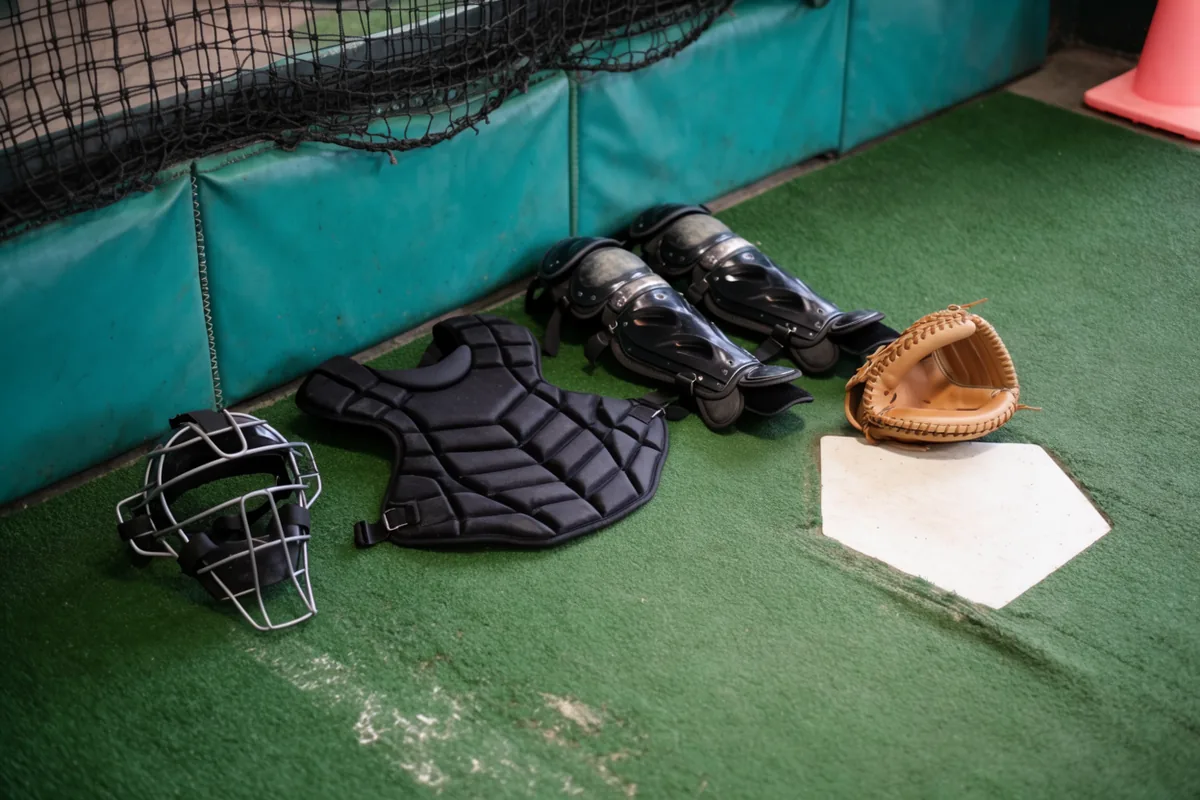
Ask the program what the player must bring and whether any equipment is available. Protective gear needs to fit correctly. Avoid buying equipment based only on an age label without checking fit and the requirements of the player’s league.
Do lessons include pitch calling?
They can include situation awareness and communication, but the content depends on the player and coach. Explain who calls pitches on your child’s team. A younger catcher may need receiving and blocking work before detailed pitch selection.
Does our child have to play on an Elevate team?
No. EPA lessons and training are open to athletes who play elsewhere. Our registration page explains how a family account connects to lessons, groups, and camps.
Bring one play you want help understanding
Before the next session, ask your catcher which play feels hardest. Send that question with the booking so the instructor can help your athlete find a starting point they understand.

EXPERT REVIEWER
Wade Perkins
Co-Founder and Managing Director, Elevate Northwest
Wade Perkins co-founded Elevate Northwest and serves as its managing director. He holds a B.S. in Biology from Oregon State University, along with sports management and sports coaching certifications from the United States Sports Academy.
His credentials also include NASM’s Performance Enhancement Specialist and Youth Exercise Specialist, ISSA’s Certified Tactical Conditioning Specialist and Exercise Recovery Specialist, Applied Functional Science through the Gray Institute, Rapsodo and Driveline certifications, and the Florida Baseball ARMory SAVAGE Pitching Coaches Certification.