


The Box Score — Key Takeaways
- Choose a coach who can explain one useful change in language your athlete understands.
- Watch how the instructor responds to a miss, a question, and a frustrated player before committing to recurring lessons.
- Ask for a practice assignment and a way to check progress beyond the next game’s hit total.
- Our standard lesson pairs one coach with 1 or 2 athletes. Confirm the format before you book.
- Bring your athlete’s goals and team schedule to the first conversation so the coach can recommend a workable starting point.
Your athlete comes out of the cage with a new cue: “Stay connected.” In the car, you ask what that means. They shrug. They swung plenty of times, but neither of you knows what to practice tomorrow.
Learning how to choose a hitting coach starts with that gap. A useful instructor helps your child understand the work, notice what changes, and carry a manageable assignment into the week. A playing résumé is only part of that decision.
At our academy, Elevated Performance Academy (EPA), we want athletes to become learners who can ask questions and make adjustments. You can look for that same habit when comparing any instructors, including ours.
What should a good hitting coach do?
A good hitting coach observes your athlete, identifies a specific starting point, teaches an understandable adjustment, and checks whether the athlete can use it. The explanation should fit the player’s age, experience, and confidence.
A beginner might need to find a comfortable stance and make contact with a ball on a tee. A returning player might need help with timing against a moving ball. Ask the coach what they saw before accepting a long list of corrections.
The American Academy of Pediatrics guidance on sports readiness recommends age-appropriate instruction and equipment, with attention to a child’s development. An instructor who adapts the task when a child struggles is showing you something a biography cannot.
Use the first conversation to narrow your choices
| Ask the instructor | Listen for | Follow up if you hear |
|---|---|---|
| How do you start with a new hitter? | An explanation of observation, goals, and a first priority. | The same swing overhaul for every player. |
| How will my child know what to practice? | A short assignment the athlete can explain back. | A long drill list without an objective. |
| How do you handle frustration? | A concrete example of changing a task or helping a player reset. | Blame, embarrassment, or demands to push through distress. |
| How do you judge progress? | Repeatable observations linked to the athlete’s goal. | A guaranteed batting average, roster spot, or scholarship. |
| What is the lesson format? | A clear answer about athlete count and coaching attention. | An unclear answer about who shares the session. |
You don’t need a technical vocabulary to have this conversation. “My child makes contact in practice but freezes during games” is a useful description. So is “They want to learn, but they get upset when adults give several instructions at once.”
Credentials need a connection to the lesson
Read an instructor’s background for experience that relates to your child’s needs. Work with younger learners, coach education, and experience teaching the relevant skill all deserve attention. Playing at a high level can add perspective, but you still need to see how that person teaches.
Our instructor directory lists Curt Nelson as Director of Hitting, Dustin Biell as Hitting Coordinator, and Braden Edwards as Lead Hitting Instructor. Those roles help you understand the staff; current availability and fit still need confirmation.
When a coach mentions a certification, ask how it affects the work. An answer about selecting an appropriate drill or interpreting a measurement is useful. A string of acronyms leaves you with the same question you started with.
Watch one adjustment all the way through
The explanation should reach the athlete
Notice who the coach talks to. Your child should be part of the conversation, even when you supply the history. If the instructor uses a technical term, listen for a demonstration or a plain explanation your athlete can follow.
A useful check is simple: after the explanation, can the player describe what they are trying? They do not have to master it immediately. They should have a fair chance to understand the task before being corrected for doing it wrong.
A miss should produce information
A ball rolls off the end of the bat. Watch what happens next. Does the coach ask what the hitter noticed, demonstrate again, or change the difficulty? Or does the same instruction get louder?
We expect athletes to work through challenges. Humiliation has no place in that work. A child who can admit confusion gives the coach a chance to teach; a child who is afraid to ask may leave the lesson with a misunderstood cue.
A tool should answer a question
Video or a ball-tracking system can help a coach show what happened. Ask what question the tool answers today. For example, video might help the hitter compare the setup before and after a change.
Our hitting group program includes work on balance, movement, approach, and adjustments. Equipment varies with the location and session plan. A screen full of numbers is useful when the instructor connects it to a decision the athlete can make.
The practice assignment is part of the purchase
Before leaving, ask your athlete to explain the assignment with the coach listening. A workable answer might be, “I’m trying this setup on a tee, and I’ll stop and reset when I lose my balance.” The coach can correct any misunderstanding while you are still there.
Then confirm where the practice can happen safely and what equipment it requires. If the assignment needs a cage and you don’t have access, say so. The instructor should know that before recommending a schedule built around independent cage work.
Ask what to record for the next visit. Our hitting groups encourage a journal. A short note about the drill, what the athlete felt, and what confused them gives the next conversation somewhere specific to begin.
Check the relationship after the lesson
In the car, try “What made sense?” and “Was there anything you wanted to ask?” Leave room for an answer that differs from your own impression. An impressive demonstration can still feel overwhelming to a new player.
The AAP guidance on keeping the fun in youth sports advises families to take concerns about mistreatment seriously. If your child describes humiliation or behavior that makes them feel unsafe, act on it. You don’t owe an instructor another lesson to prove the concern.
Everyday discomfort with learning is different from feeling unsafe. If the lesson was respectful but confusing, ask for clarification. Our guide to helping athletes handle mistakes offers parents another way to support that conversation.
Choose a format that fits your week
At EPA, our standard lesson has one coach working with 1 or 2 athletes. A second athlete may share the session. The premium Private Evaluation is the true one-on-one option, so clarify which service you are considering.
Individual attention, practice with peers, and a focused check-in can serve different needs. Read the lesson information and ask about the current format. Compare that with recurring hitting groups if your athlete wants to learn alongside other players.
Include the drive in your decision. Our facility directory helps you compare locations, but confirm the instructor’s actual schedule before making a plan. A slot your family can attend calmly is easier to use than one that requires a weekly scramble.
Agree on a review point
After the first session, decide with the coach when to revisit the plan. Write down the starting goal and what you will look for: a cue the athlete understands, more controlled contact in the same drill, or a better response after a miss.
Keep the task comparable when checking progress. A hard-hit ball off a tee and a hit against live pitching tell you different things. Ask how the lesson work will gradually connect to the situations your child faces in games.
If progress is unclear, bring the question to the instructor before buying more sessions. Sometimes the assignment needs changing. Sometimes the format or teaching relationship is a poor fit. You can make that decision without labeling your child uncoachable.
Common questions
At what age should a child see a hitting coach?
Look at interest, attention, and the ability to follow a short instruction before using age alone. A young child may benefit most from playful bat-and-ball activities. Ask the instructor whether their approach and current program fit your athlete’s readiness.
Do hitting lessons help beginners?
They can give a beginner individual feedback on a manageable skill. The useful question is whether your child understands the instruction and wants to keep practicing. A first lesson should establish a starting point without demanding a finished swing.
Should I choose a former professional player?
Playing experience can be valuable, but watch the person teach. Ask about their experience with athletes at your child’s level and how they adapt when a cue does not work. The athlete’s ability to understand the lesson matters when choosing a coach.
How soon should I expect better game results?
There is no reliable deadline that applies to every hitter. Start by checking whether the athlete understands the task and can use it under comparable practice conditions. Ask the coach how they will introduce more game-like demands as the player becomes ready.
Can my child take lessons without joining an Elevate Northwest team?
Yes. Our academy’s lessons and training are open to athletes who are not on an Elevate Northwest team. You can explore instruction before making any team decision.
Write down one thing your athlete wants help with, then use our instructor directory to find a starting conversation. For booking, choose your program and follow its registration link to create or sign in to your family’s SportsletiX account. Our registration guide explains that process.
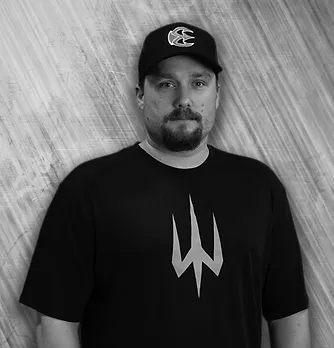
EXPERT REVIEWER
Wade Perkins
Co-Founder and Managing Director, Elevate Northwest
Wade Perkins co-founded Elevate Northwest and serves as its managing director. He holds a B.S. in Biology from Oregon State University, along with sports management and sports coaching certifications from the United States Sports Academy.
His credentials also include NASM’s Performance Enhancement Specialist and Youth Exercise Specialist, ISSA’s Certified Tactical Conditioning Specialist and Exercise Recovery Specialist, Applied Functional Science through the Gray Institute, Rapsodo and Driveline certifications, and the Florida Baseball ARMory SAVAGE Pitching Coaches Certification.