


The Box Score — Key Takeaways
- Velocity training is coached work on mechanics, strength, and throwing intent that helps a pitcher throw harder while protecting the arm.
- Before about age 13, the best velocity work is athletic: movement, coordination, and a clean delivery with a regulation ball.
- In a study of adolescent pitchers, the ones who needed shoulder or elbow surgery had thrown more, pitched more often while tired, and threw harder.
- A randomized trial of a six-week weighted-ball program raised velocity 3.3%, and 24% of that group was injured while nobody in the control group was.
- Any velocity program should fit inside Pitch Smart pitch counts, rest days, and at least four months a year off the mound.
Sunday tournament, last game of the weekend. Another dad had a radar gun behind the backstop, and your 12-year-old walks off the field with one question: how hard was I throwing? By the drive home there’s a number stuck in your kid’s head and a weighted-ball set sitting in an online cart.
Wanting to throw harder is a good sign. It means your athlete cares. Velocity training for youth pitchers can build real, lasting speed, and it can also put a growing elbow at risk, depending on the pitcher’s age, what the program asks of the arm, and whether anyone is counting the throws.
Our instructors hear some version of this question all the time. A useful answer starts with what velocity training actually involves and when a young arm is ready for each part of it.
What is velocity training for youth pitchers?
Velocity training is a coached program that helps a pitcher throw harder by improving how the body creates force and passes it to the ball, then building the strength and recovery habits to hold up under that extra speed.
Most of a fastball’s speed starts in the legs and hips. The trunk rotates, the shoulder follows, and the arm is the last link in the chain. When a young pitcher “muscles up” with the arm alone, the elbow and shoulder absorb stress the rest of the body should have shared.
A good program works on the whole chain. Expect delivery work, strength and mobility training, throwing with intent in short, planned blocks, and sometimes tools like med balls, resistance bands, or weighted baseballs. The best programs also count every throw, because velocity work is still throwing.
What age should a pitcher start velocity training?
A pitcher can start building toward velocity around age 9, but structured programs that use weighted baseballs and max-intent throwing belong in the mid-teens, after the body has grown into them.
MLB and USA Baseball’s Pitch Smart guidelines ask pitchers ages 9 to 12 to focus on athleticism, physical fitness, and fun, and to stick to fastballs and changeups. Breaking pitches can come at 13 or 14, once the fastball and changeup are consistent. We use the same logic for velocity.
| Age | Velocity work that fits | Hold off on |
|---|---|---|
| 9 to 12 | Athletic movement, coordination, a repeatable delivery, throwing games with a regulation ball | Weighted baseballs, max-effort radar sessions, breaking pitches |
| 13 to 14 | Bodyweight and med ball strength, mobility, sequencing drills, short coached blocks of intent | Heavy overload balls, high-volume weighted programs, throwing through soreness |
| 15 and up | Structured intent programs, supervised weighted-ball work where it fits, weight room strength, velocity tracked alongside command | Any program with no workload tracking or planned time off |
Treat these ages as a starting point. Growth spurts shift the timeline, and two 13-year-olds can be years apart physically.
The readiness checklist for structured velocity work
Before your athlete starts a structured velocity program, look for most of these signs.
- They can repeat their delivery and throw strikes with a fastball and a changeup.
- Their arm feels normal the day after they pitch.
- They can tell you the difference between sore and hurt, and they speak up when something feels off.
- A consistent warm-up happens every time, without a reminder.
- They have a base of general strength and can move well through a squat, a lunge, and a push-up.
- They aren’t in the middle of a fast growth spurt, or their coach is adjusting the work around one.
- The last 12 months included a real break from throwing.
- There’s no recurring elbow or shoulder pain. Pain that keeps coming back belongs with your pediatrician before any training plan.
- They want the work for themselves and will keep a simple log of their throwing.
If several boxes are empty, those gaps are the first training plan. A pitcher who fixes their delivery and gets stronger usually finds velocity along the way.
What the research says about chasing speed
Two studies co-authored by researchers at the American Sports Medicine Institute shape how we think about velocity with young arms.
Harder throwers carry more risk
In a study of adolescent pitchers published in the American Journal of Sports Medicine, researchers compared 95 pitchers who had needed shoulder or elbow surgery with 45 who had never had a significant pitching injury. The injured group pitched more months per year and more pitches per game, and they pitched more often with arm pain and fatigue. Overuse and fatigue had the strongest link to injury. Higher velocity and showcase participation were linked to it too.
Speed on its own is fine. A harder thrower simply has less margin for overuse, so the workload rules matter more as velocity climbs.
Weighted balls need a careful hand
A randomized trial put 38 healthy pitchers ages 13 to 18 on either a regular strength program or the same strength program plus a six-week weighted-ball program, three days a week, with balls from 2 to 32 ounces. Velocity rose 3.3% in the weighted-ball group. So did injuries: 24% of that group was hurt, including four elbow injuries, and no one in the control group was.
Radar readings deserve the same caution. A kid chasing a number throws every pitch at max effort, and young pitchers still need to learn to change speeds.
A safe velocity program rests on three things
Every velocity program we’d trust with a young arm is built on the same three parts. When one is missing, the other two can’t carry it.
Mechanics that spread the load
An efficient delivery moves force from the ground up through the hips and trunk, so the arm finishes a job the legs and trunk already started. Small fixes, like better timing between the front foot landing and the hips turning, often add speed and take stress off the elbow at the same time.
This is why slow-motion video matters. Our pitching groups use ultra slow-motion video and Rapsodo so instructors can show a pitcher exactly what’s happening in the delivery.
Strength and mobility for a growing body
Strong legs, hips, and core give the arm something to throw from. For younger athletes that means bodyweight work, jumps, and med ball throws. Older athletes can add a structured weight room program under supervision.
Mobility matters as much as strength, especially during growth spurts, when bones lengthen faster than muscles adjust. A pitcher who suddenly can’t reach the same positions needs patience from the adults around them. Our post on developing the whole athlete covers how strength fits into a balanced week.
Workload and rest that count every throw
Velocity sessions, bullpens, lessons, and games all land on the same arm. A good program knows what your athlete threw for their team this week and plans around it.
Pitch Smart sets daily pitch limits and rest days by age, recommends avoiding multiple teams at the same time, and calls for at least four months off each year (from all throwing through age 14, from competitive pitching at 15 to 18), with two to three of those months continuous. Our pitch count and arm care guide lays out the full tables. The offseason is where velocity gets built, and it’s also where the arm gets its rest, so the plan has to hold both.
How our velocity groups approach it
Our academy, Elevated Performance Academy (EPA), runs velocity groups as a monthly program for players at any position. Athletes train in groups of 10 to 16 with instructors who played at the college and professional levels, split into two tracks by age: Baseball Performance Training for 9U to 12U and Velocity Performance Training for 13U to 18U.
Sessions cover arm action, sequencing from the ground up, strength and stability, grips, and the mental side of throwing with intent. Athletes also learn how to warm up, how to recover, and how to tell sore from injured. Depending on the location and the day, tools include bands, med balls, water bags, and weighted balls.
Last year, our high school athletes added 2 to 4 mph over six weeks. Every athlete is different and results aren’t guaranteed, so treat that number as what’s possible with good work. EPA velocity groups are open to baseball and softball athletes. A 1-on-1 lesson with one of our instructors is a good way to get a delivery looked at first.
Common questions
Are weighted balls safe for youth pitchers?
They can be used safely by older teens under close coaching, but the evidence calls for caution. In a randomized trial of pitchers ages 13 to 18, a six-week weighted-ball program added velocity and also raised injury rates. For pitchers 12 and under, we keep velocity work to movement, strength, and a regulation ball.
What is a good pitching velocity for a 12 or 13 year old?
Velocity at 12 and 13 varies too much with height, strength, and maturity for one number to mean much. A late bloomer can trail a teammate by several mph and still end up throwing harder at 16. Measure your athlete against their own progress and their command, and keep radar readings occasional.
How quickly will my pitcher gain velocity?
It depends on age, growth, and where your athlete starts. Our high school athletes added 2 to 4 mph over six weeks last year, but results vary, and younger pitchers often gain most of their speed simply by growing and getting stronger. Look for steady progress across a full year.
Does velocity training help position players too?
Yes. Arm speed helps an infielder’s throw across the diamond and an outfielder’s throw to the plate just as much as it helps a pitcher. Our velocity groups are built for athletes at any position.
Should velocity training continue during the season?
During the season, game pitching should take up most of the throwing budget. Velocity work usually shifts toward strength, mobility, and recovery, with high-intent throwing kept light or paused. Talk with your athlete’s coach so every throw across team, lessons, and training gets counted.
Start with a throwing log this week. Write down the date, the pitch count, and any velocity or bullpen work in a note on your phone, then run through the readiness checklist with your athlete. Those two things will tell you more about the right next step than any radar gun.
When you’re ready, look at the current velocity groups and the master schedule, or get in touch and our instructors will help you find the right fit. You can sign up through our online portal.
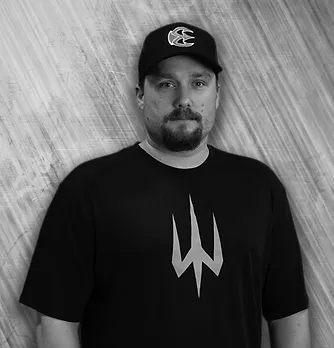
EXPERT REVIEWER
Wade Perkins
Co-Founder and Managing Director, Elevate Northwest
Wade Perkins co-founded Elevate Northwest and serves as its managing director. He holds a B.S. in Biology from Oregon State University, along with sports management and sports coaching certifications from the United States Sports Academy.
His credentials also include NASM’s Performance Enhancement Specialist and Youth Exercise Specialist, ISSA’s Certified Tactical Conditioning Specialist and Exercise Recovery Specialist, Applied Functional Science through the Gray Institute, Rapsodo and Driveline certifications, and the Florida Baseball ARMory SAVAGE Pitching Coaches Certification.